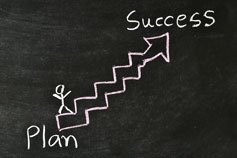
The primary challenge of managers is to get things done effectively and efficiently with and through people. This course introduces the four universal functions of management known as Planning, Organizing, Leading and Controlling (POLC) to help managers in their job. Analyzing and forecasting are also important tools of planning, and the course introduces different techniques such as environmental scanning, budgeting, and breakeven analysis. In addition, the course covers basic concepts of project planning such as Work Breakdown Structures (WBS), 'PERT' diagrams, 'Gantt' charts and 'Load' charts.
Course Methodology
This course uses an interactive and cooperative learning methodology by integrating a variety of learning techniques such as lectures, participants-led presentations, individual and group activities and exercises, self assessment tools, role plays, case analysis and video discussions.
Course Objectives
By the end of the course, participants will be able to:
Explain the importance of planning and employing the 'SMART' criteria to objectives setting.
Use environmental scanning, budgeting, and breakeven analysis as tools for planning and forecasting.
Define projects and apply project management techniques such as 'PERT' diagrams, 'Gantt' charts and 'Load' charts.
Recognize the importance of control, and of properly utilizing key performance measures to keep work on track.
Target Audience
Anyone within the organization whether they are staff, department head, manager or supervisor who need to develop their ability to plan, organize, control and achieve their goals and objectives on time and within the expected quality standards.
Target Competencies
The competencies targeted in this course are:
Proactive planning and scheduling
Setting objectives
Critical thinking
Critical analysis
Managing projects
Measuring performance
Course Outline
Foundation of planning
The functions of management
Definition of planning
Elements of planning
Types of plans
Planning in the hierarchy of an organization
Efficiency versus effectiveness
Benefits of planning
Why many managers and supervisors fail to plan
Elements of good plans
Planning tools and techniques
Analysis of the environment
Forecasting techniques
Definition of benchmarking
The benchmarking process
Allocating resources and budgets
Breakeven analysis
Limitations of breakeven analysis
Project planning and scheduling
Definition of a project
The work breakdown structure
Simple network diagrams
Steps in developing a 'PERT' chart
Forward and backward scheduling
Finding the critical path
Gantt and Load charts
Control and performance measurement
Definition of control
The planning and controlling link
Importance of control
The control process
Measuring: what and how
Sources of information for measuring performance
Managerial decisions in the control process
Organizational performance measures
Feed forward, concurrent and feedback controls
Information controls and balanced scorecards
Contemporary issues in control
Schedule & Fees
2026 Schedule & Fees
There are no public sessions remaining for the course this year. Please contact us if you wish to have a customized in-house session, or to find out how an additional public session can be scheduled.